


The world is rapidly evolving. Every day, there are new digital discoveries. New devices are requiring more bandwidth. Faster internet speeds have become a necessity. And artificial intelligence is being integrated into more tasks than ever before, making reliable, high-speed broadband the key to keeping pace with these changes and reimagining our future.
The Kūnoa North Interisland Fiber Optic Cable System
Hawaiian Telcom secured a total project investment of $87 million for a new interisland fiber-optic cable system to upgrade and strengthen Hawai'i's internet infrastructure. This includes a $37 million grant awarded by the National Telecommunications and Information Administration (NTIA) and a $50 million company match to fully fund the $87 million project.
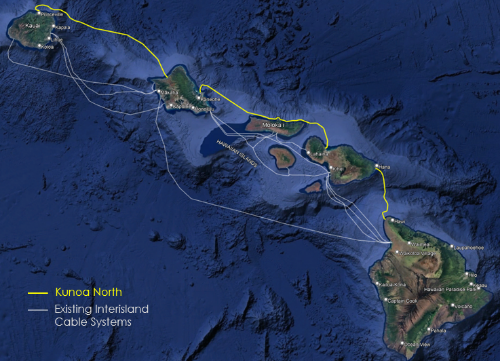
A major undertaking — one of Hawaiian Telcom’s biggest projects in recent history.
It's the first northern route to further support Hawaiian Telcom's $1.8 billion investment to create a geographically diverse and resilient interisland network to fully fiber enable the entire state. It will involve laying new fiber optic cables on the ocean floor between the islands and adding six landing sites to link pivotal areas. Yet we know we must do this responsibly and respectfully. Prepare for the future, while preserving our cultural heritage and history. The result will be a more resilient internet network that benefits everyone in our islands, benefitting Hawai'i families and businesses.

Connect Kākou is a State of Hawai'i initiative designed to make high-speed, reliable internet service more accessible and affordable, and support digital equity in our islands. Our state government is investing $400 million in federal funds to expand our broadband infrastructure. Hawaiian Telcom's Kūnoa North project supplements these other projects to help create a robust broadband system in our islands.

Fiber optic cables provide ultra-fast, high-capacity internet connections — even faster than satellite systems like Starlink.




Broadband Components
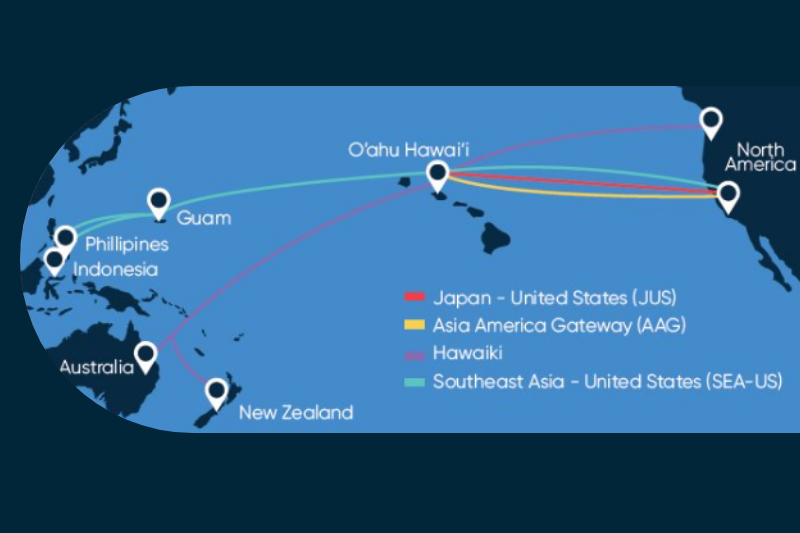
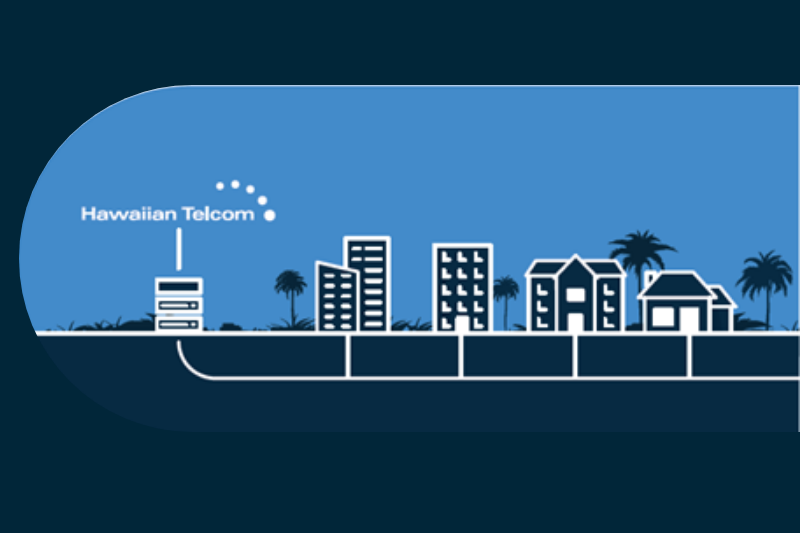
First Mile: The first mile refers to trans-Pacific fiber network, connecting Hawai'i to the world.
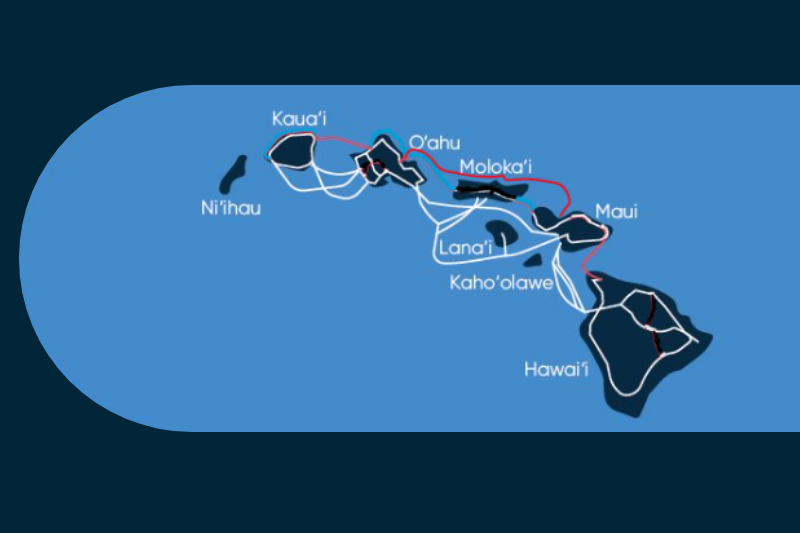
Middle Mile: The middle mile is the backbone of broadband. This includes interisland undersea and land cables. Kūnoa North is Hawaiian Telcom's middle mile project.
Another company, Ocean Networks, based in Georgia, is also engaged in a middle mile project called Hawaiian Islands Fiber Link. This project is overseen by the University of Hawai'i with support from the Research Corporation of the University of Hawai'i.
Last Mile: The last mile refers to the fiber connection to each individual home or business to complete the connection. Hawaiian Telcom has a name for this: Fioptics and Fioptics+.
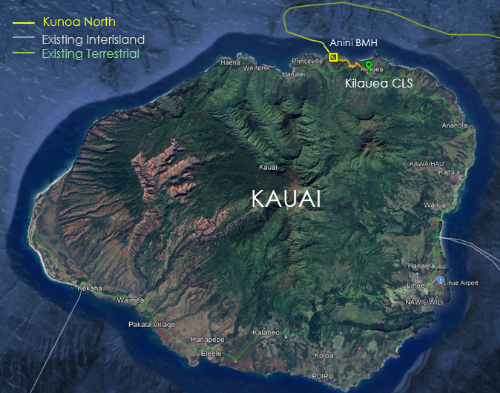
Kilauea
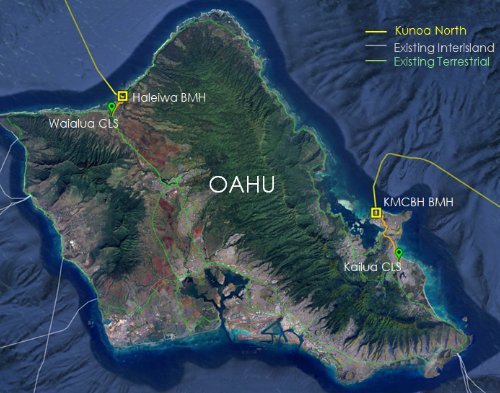
Hale'iwa & Kāne'ohe
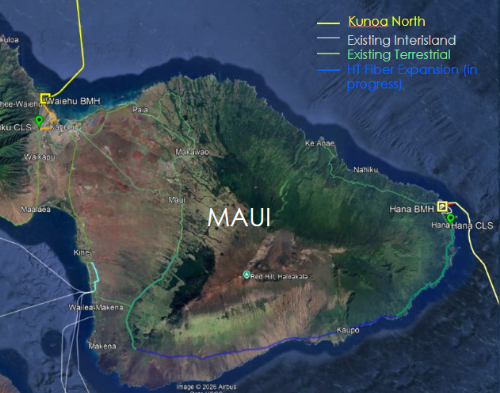
Waiehu & Hāna
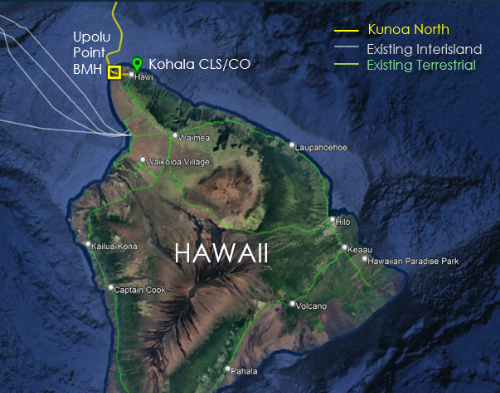
Kohala